Courses designed for engaging and effective education
We offer a variety of courses to help you prepare for the MBLEx
At MBLEx Tutors, we offer high quality courses that cover all aspects of the MBLEx. These courses are designed to not only teach you the information, but prepare you for how the information is presented on the MBLEx. Check each course below for a description, then check the schedule for available dates and times the courses are taught. Come learn and prepare for the MBLEx in fun, engaging classes!
Massage Therapy
Massage Therapy is the name of the game, and being proficient in the subject is key toward preparing for the MBLEx. After all, the MBLEx is a massage licensing exam! Having the proper foundational knowledge of massage therapy is vital for passing the MBLEx.
Our massage therapy course will teach you the information you need to know for the MBLEx, such as the different types of massage strokes, the different types of effects massage therapy has on the body, the most common modalities and spa treatments, joint mobilizations, stretching, personal hygiene, and more! Start your studying off on the right foot with the massage therapy course, boost your confidence, and set yourself up for success with not only studying, but the MBLEx itself!
Develop Skills to Ace Massage Therapy
One mistake students make when preparing for the MBLEx is neglecting massage therapy in their studies. It may seem easy, but you can never be too prepared for the information you’ve spent months in school learning. Knowing massage therapy, the function of strokes, the reasons to perform certain modalities and treatments, and how all of this information contributes to treatment planning is a key aspect of the MBLEx. The MBLEx is not black and white, and understanding the practice and how it assists clients in their goals can help with any question, from planning a treatment to determining contraindications.
Up To Date Curriculum
At MBLEx Tutors, we are dedicated toward teaching you the ins and outs of massage therapy in fun, engaging ways that will help you learn massage therapy to be as prepared for the MBLEx as possible.
We cover massage technique, effects of massage therapy, joint mobilizations, stretches, end feels, massage equipment, body mechanics, personal hygiene, sanitation standards, massage modalities, and spa treatments. Check below for detailed lesson plans and material discussed.
The massage therapy course is available in private and group sessions. Click below to check the schedule for available sessions.
Unsure if group or private tutoring is right for you? Click below for more information on each option!
Business and Ethics
Massage therapy is not just a form of treatment or relaxation, it is also a business. This course aims to assist students with understanding aspects of business operation, how it applies to massage therapy, and an overview of ethics.
Our business and ethics course will teach you the basics of business, business management and operation, forms of insurance used in business, different types of employment a massage therapist may utilize, taxes and documents, and more. Our ethics course covers the basics of ethics, how to communicate with clients, defense mechanisms a client may exhibit, therapeutic relationships, and how to handle ethical dilemmas.
Develop Skills to Ace Business and Ethics
Owning a business is one route a massage therapist may choose to take with their career. Understanding how a business functions, the steps required to open a business, and employment classifications is vital in the success of a massage therapist in business ventures. Even if you don’t plan on opening a business, knowledge of business operation is important to help prevent any issues you may have with potential employers.
Ethics are one of the most important aspects of a massage therapy career, as clients, employers, and coworkers all depend on each other to conduct themselves appropriately. Understanding ethics, how to communicate with clients, how to set boundaries, and how to solve ethical dilemmas is beneficial not just in how a massage therapist is perceived, but also vital in preparing for the MBLEx. How should you approach certain situations that are presented to you? How are you expected to respond in order to treat the client how they should be treated? How can you ensure you aren’t placed in any circumstances that could compromise your integrity, and potentially your career? This is all discussed in the ethics portion of this course.
Up To Date Curriculum
At MBLEx Tutors, we are dedicated toward teaching you the ins and outs of business and ethics in fun, engaging ways that will help you learn business and ethics as they pertain to massage therapy, and maybe even help get you started with opening your own business and setting it up for success in an ethical way!
We cover the business management, types of insurance, forms of employment, tax forms, medicolegal terms, ethics, communication, defense mechanisms, therapeutic relationships, and ethical dilemmas. Check below for detailed lesson plans and material discussed.
The business and ethics course is available in private and group sessions. Click below to check the schedule for available sessions.
Unsure if group or private tutoring is right for you? Click below for more information on each option!
Assessment
Assessment is the name of the game. The MBLEx is not just fact-based in its questions, it is scenario-based as well. The MBLEx wants to know that you, as a massage therapist, are able to properly interpret information provided by a client, and use that information to develop an appropriate treatment plan for them.
In the assessment course, we will discuss different types of assessment, ways of obtaining information, how to interpret information, and proper documentation.
Develop Skills to Ace Assessment
Assessment could very well be the most important subject to understand for the MBLEx. Due to the MBLEx placing an emphasis on situational questions, you need to understand the material covered in every other subject, and be able to incorporate that information into real world scenarios. This is what life is like as a massage therapist, after all! The assessment course is a great way of melding all materials together and hone your ability to take in information, and determine the best course of action to take for your clients based on the information provided.
Up To Date Curriculum
At MBLEx Tutors, we are dedicated toward teaching you the ins and outs of assessment in fun, engaging ways that will help you learn how to properly assess clients and develop effective treatment plans.
We cover methods of assessing a client, precautions a massage therapist should take with clients, intake forms, SOAP notes, and treatment planning.
The assessment course is available in private and group sessions. Click below to check the schedule for available sessions.
Unsure if group or private tutoring is right for you? Click below for more information on each option!
Anatomy and Physiology
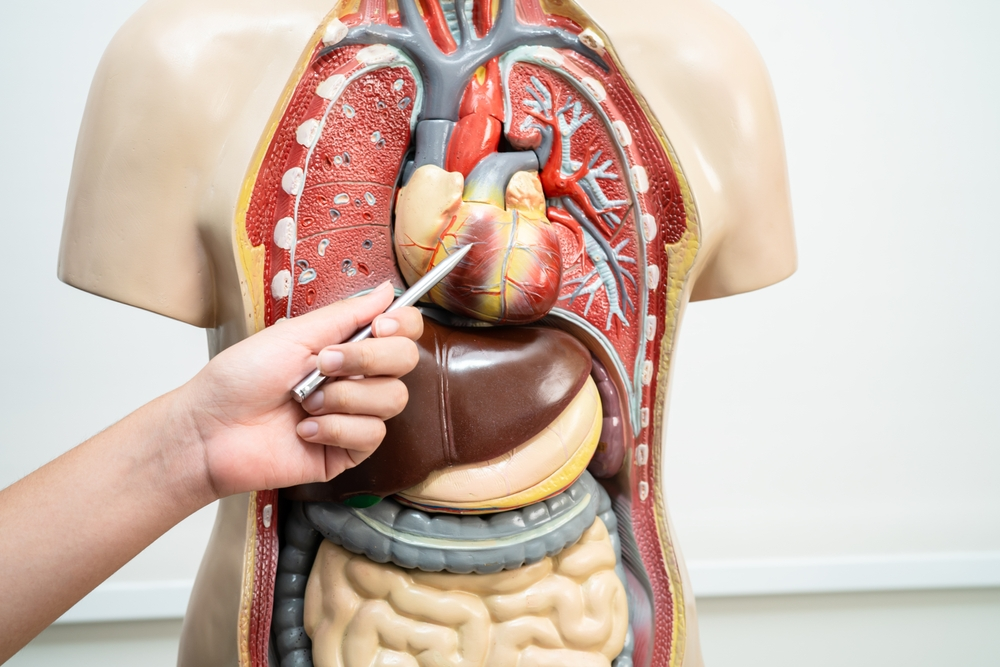
Understanding the human body, and how each part of the body functions, is a very important aspect of massage therapy. In this course, you will learn every body system, the major structures of each system, and the functions of each structure and system.
Our course goes in-depth on anatomy and physiology, the major structures of the body, and how these structures function. Our anatomy and physiology course helps build a solid foundation to assist in understanding other aspects of the body, such as pathology and kinesiology, while contributing knowledge essential in assessing clients to create effective treatments.
Develop Skills to Ace Anatomy and Physiology
Anatomy and physiology may seem as simple as “this organ has this function”, but that’s just the beginning of our understanding of anatomy and physiology for the MBLEx. How do these structures and their functions influence the body? How do the body’s organ systems interact with each other? How does massage therapy influence these structures and systems? Are there parts of the body that massage is not beneficial for? Knowledge of the body, how it functions, and how massage therapy influences it, assists in developing outside-the-box thinking, vital in preparing for and taking the MBLEx.
Up To Date Curriculum
At MBLEx Tutors, we are dedicated toward teaching you the ins and outs of anatomy and physiology in fun, engaging ways that will help you learn anatomy and physiology as it pertains to massage therapy.
We cover homeostasis, regional anatomy, body organization, tissues, and all body systems.
The anatomy and physiology course is available in private and group sessions. Click below to check the schedule for available sessions.
Unsure if group or private tutoring is right for you? Click below for more information on each option!
Pathology
Pathology is an extremely important aspect of not only massage therapy, but the MBLEx. In this course, you will learn different diseases, the disease and healing processes, numerous different diseases, contraindications for each disease as they pertain to massage therapy, and more.
Our pathology course is an expansive look at disease, the various forms of disease and infection, the body’s immune system, pharmacology, and a look at all of the major diseases from almost every organ system. Contraindications are discussed, furthering your understanding of treatment planning in regards to clients with specific diseases or disorders. An overview of first aid and how to treat those in emergent situations is included.
Develop Skills to Ace Pathology
One of the most frequent forms of assessing a client is by looking at a client’s health history, which is where pathology comes in. You need to understand the development of diseases, how the body responds to diseases, medications a person may be taking, how massage can influence these medications both positively and negatively, diseases and disorders your clients may present with, and if these conditions are contraindicated in any way. Understanding pathology is a vital step in developing effective treatment plans for your client, an aspect that the MBLEx will cover in abundance.
Up To Date Curriculum
At MBLEx Tutors, we are dedicated toward teaching you the ins and outs of pathology in fun, engaging ways that will help you learn pathology as it pertains to massage therapy.
We cover the disease process, healing, pharmacology, and pathologies for nearly every body system. Check below for detailed lesson plans and material discussed.
The pathology course is available in private and group sessions. Click below to check the schedule for available sessions.
Unsure if group or private tutoring is right for you? Click below for more information on each option!
Kinesiology
Kinesiology is the study of movement. As massage therapists, the primary structures we work on are soft tissues, mainly the muscles. To study movement, a strong grasp of the body’s major muscles is required.
Our kinesiology course is designed to assist with comprehension of how the body moves, the actions that are performed at specific joints, the planes these actions are performed in, and in-depth analysis of over 50 muscles the MBLEx is most likely to test you on. Origins, insertions, actions, innervations, synergists, antagonists, body landmarks, attachment sites, and more are all covered in the kinesiology course.
Develop Skills to Ace Pathology
Knowledge of the muscles is just the first step. What actions do these muscles perform? How do these muscles move the body? If there is dysfunction in any of these muscles, how will the body be affected? How can we utilize this knowledge to develop an effective treatment plan for our client? Understanding the location of muscles, how muscles move the body, and how simple things like a client’s daily activites influence the health of muscles are just a sample of the knowledge required to excel with any kinesiology information on the MBLEx.
Up To Date Curriculum
At MBLEx Tutors, we are dedicated toward teaching you the ins and outs of kinesiology in fun, engaging ways that will help you learn kinesiology as it pertains to massage therapy and developing effective treatments for your clients.
We cover the body’s major actions, bony landmarks, attachment sites, and review over 50 muscles from every major body region.
The kinesiology course is available in private and group sessions. Click below to check the schedule for available sessions.
Unsure if group or private tutoring is right for you? Click below for more information on each option!